From Summits to Shorelines, Craft Breathes

Today we set out along Peaks-to-Sea Artisan Routes: Connecting Alpine Workshops with Adriatic Coastal Studios, tracing the human stories, trading paths, and creative exchanges that carry techniques, materials, and inspiration from high passes to sunlit harbors, nurturing living craft economies and friendships.

From Passes to Ports: The Living Corridor

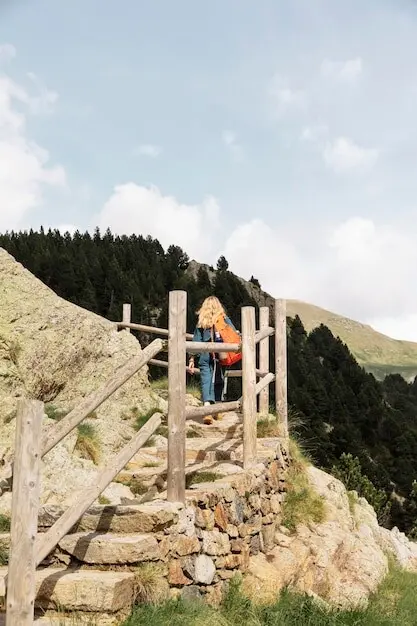
Between glaciers and gulls stretches a corridor where objects, skills, and songs have long traveled. Carved bowls descend by mule to markets near the tide; sea salt rides back to tannery sheds above fir forests. Every bend remembers footsteps, dialects, and bargains, translating altitude into appetite and patience into precision for makers who refuse to rush their materials.

Materials in Motion

From larch planks and mountain ash to Adriatic salt, olive oil, and linen sails, materials migrate with purpose. A cooper’s staves meet brine at the quay; in return, shell-lime returns uphill to seal ovens, proving that resourcefulness is a route as real as any road.

Hands That Travel Without Moving

Not every journey carries a suitcase. Patterns, grips, and tool angles migrate through visiting cousins, festival benches, and shared prayers in workshops. A knot learned in a fjord-bound boatyard reappears binding sled runners, while a brushstroke from a coastal sign painter guides alpine cradle rosettes.

Craft Lineages and Apprenticeship Trails

{{SECTION_SUBTITLE}}

Mentors of the High Valleys

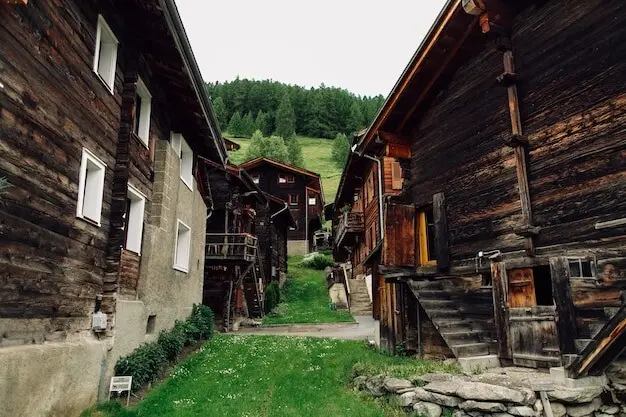
Up where roofs wear stones like hats, mentors teach by listening to wood shrink in January silence. Apprentices sweep, mend handles, fetch spruce resin, and practice humility. When finally allowed a signature, a tiny chip carved inside a joint says, I learned, and I will honor you.

Seaside Masters at the Workbench

Beside nets drying like cathedrals of thread, masters weigh moisture with fingertips and stories. They teach plane angles shaped by salt air, explain varnish that forgives spray, and demonstrate patience with gull interruptions, until reverence for materials becomes as natural as watching tides arrive and turn.

Design Vocabulary: Forms Carved by Weather and Waves

Look closely and you’ll see storms and swells embedded in everyday objects. Rooflines echo ripples; chair legs remember crampon bites; a casket hinge carries a sailor’s stopper knot. This language of utility and beauty travels fluently, letting distant valleys and coves greet each other without translation.

Sustainable Pathways: Slow Logistics for Fragile Skills

Keeping skills alive means moving goods and people gently. Couriers favor trains over trucks, sail cargo over speedboats, bicycles over vans for last kilometers. Scheduling respects maker cadence and festival calendars, ensuring stories arrive uncrumpled and tools travel like elders—carefully supported, never hurried, always expected.

Traveler’s Guide: Planning Your Own Makers’ Pilgrimage

Your itinerary should breathe like a bellows. Plan fewer stops, longer conversations, and time for mistakes that become memories. Book trains aligning with market days, ask permission before photographing benches, and bring questions. When you return, share discoveries, subscribe for route updates, and help newcomers avoid avoidable detours.

Markets, Festivals, and Shared Tables

Gatherings make invisible networks visible. Under bunting and drying sails, makers compare bevels, swap offcuts, and barter for spices or scythes. Music leaks from crates. Meals stretch late, arguments resolve over herb rakija or mountain schnapps, and strangers discover kinship by tasting each other’s patient, place-bound labor.

Alpine Fairs Reimagined by the Sea

Imagine wooden sleds lined beside fishing skiffs, wool capes displayed near anchors, and cheesemakers trading for citrus zest. When fairs travel, context becomes collaborator. Buyers sense continuity rather than novelty, realizing a spoon carved yesterday belongs beside a rope spliced generations ago, equally honest and useful.

Workshops on the Quay

Temporary benches appear beside bollards. Children sand with determination while grandparents translate dialects. A boatbuilder demonstrates steam-bending using borrowed pots, and a carver explains how moon cycles affect sap. The quay becomes classroom and commons, proving education can taste like salt and smell faintly of pitch.
Xarikavilaxinexozento
Privacy Overview

This website uses cookies so that we can provide you with the best user experience possible. Cookie information is stored in your browser and performs functions such as recognising you when you return to our website and helping our team to understand which sections of the website you find most interesting and useful.